

Alternatives to EDIBridge
EDIBridge helps small suppliers meet retail compliance fast with flat-rate EDI starting at $49 a month.
Explore 20 alternatives to EDIBridge. Compare features, pricing, and find the best fit for your needs.

TrueProxies
Residential and datacenter proxy provider with 50M+ ethically sourced IPs across 150+ countries. Unlimited from $4.08/hr, pay-per-GB from $1.64/GB.

JsonTranslate
Translate JSON, Markdown, and TXT files while preserving keys, nested paths, and project structure.

SnitchFeed
SnitchFeed is an agentic social listening tool that surfaces high-intent conversations on LinkedIn, X, Hackernews, and more for GTM and product teams.
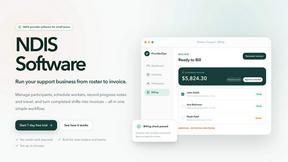

AkraLabs
Where modern software products get discovered, launched, and distributed. Explore verified AI tools, SaaS startups, and developer software.

Z Image Turbo
Z Image Turbo is an online AI image generator for photorealistic images, bilingual posters, ecommerce visuals, ads, and social content.

AIEnhancer
Enhance photos, create images, and generate videos with AI workflows, effects, and production-tested models.

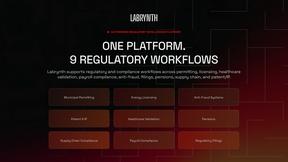
Labrynth AI
AI regulatory intelligence platform that turns complex requirements into cited, audit-ready outputs.


Murphi
AI-native healthcare platform for clinical documentation, revenue assurance, patient payments, compliance, and payer contract analysis.





Seedance 2.5 Free
Create polished AI videos from text or images online with Seedance 2.5 Free.

Luffy
Luffy is an AI employee in Slack that remembers your workspace and executes tasks across every app.


About EDIBridge Alternatives
EDIBridge is a cloud-based electronic data interchange platform designed specifically for small and growing suppliers who need to meet retail compliance requirements without the burden of expensive enterprise software, lengthy onboarding timelines, or a dedicated IT department. As a software solution in the EDI and supply chain category, it provides a browser-based workspace where users can connect with trading partners, map business data into standard EDI documents, and manage transactions like purchase orders, invoices, and advance ship notices. Users often look for alternatives when their needs evolve beyond the platform's current scope, such as requiring deeper integration with existing ERP systems, handling higher transaction volumes, or seeking more advanced automation and analytics capabilities. When evaluating an alternative, it is important to consider the total cost of ownership, including setup fees and per-transaction costs, the ease of onboarding new trading partners, the availability of pre-built retail compliance configurations, and the level of ongoing support provided, as these factors directly impact operational efficiency and long-term scalability. The search for an alternative often stems from a desire for continuous improvement in workflow speed, data accuracy, or partner coverage as a business grows. A strong alternative should offer a clear path for iterative enhancement, allowing a supplier to start with basic compliance and gradually adopt more sophisticated features like AI-assisted mapping, automated testing environments, and multi-protocol delivery options such as AS2 and SFTP. The best choice will not only solve immediate compliance needs but also adapt to future trading partner requirements and internal process changes, ensuring that the investment remains aligned with the company's evolving supply chain strategy. Ultimately, the goal is to find a platform that reduces friction in the EDI lifecycle, from initial setup through ongoing transaction management, while keeping costs predictable and support accessible.