

Alternatives to ProcessSpy
ProcessSpy is the advanced Mac process monitor that evolves with your needs for deeper system insights.
Explore 20 alternatives to ProcessSpy. Compare features, pricing, and find the best fit for your needs.

Enlisted
Search 20,000+ open-source and SaaS tools by the job you need done or the app you want to replace.

TrueProxies
Residential and datacenter proxy provider with 50M+ ethically sourced IPs across 150+ countries. Unlimited from $4.08/hr, pay-per-GB from $1.64/GB.

Sprite Sheet Maker
A free browser-based toolkit for creating, cutting, converting, and previewing sprite sheet animations.

layahost
Moderation, routing, intent and scoring for any text over one Jev-compatible API, hosted in the EU.

laya.tools
A free directory of 950+ projects built on Laya, the open-source decision model. Updated daily.
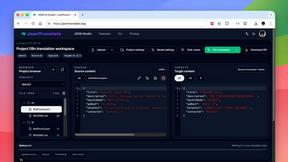
JsonTranslate
Translate JSON, Markdown, and TXT files while preserving keys, nested paths, and project structure.

Forms Plugin
The #1 Native Form Builder Plugin for Framer - No Code, No Embeds, No External Platforms.

AkraLabs
Where modern software products get discovered, launched, and distributed. Explore verified AI tools, SaaS startups, and developer software.
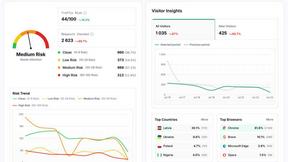


Product Launch Checklist
A free launch checklist for SaaS, apps, AI tools and more. Every step says why it matters and when you can skip it.

Video2URL
Turn videos, images, and files into secure direct links for sharing, embedding, and automated workflows.



GPT Image 2 API
GPT Image 2 API generates and edits production-ready images with clear text, reference images, and developer-friendly API workflows.

Firma.dev
Pay-as-you-go e-signature API and no-code sending. €0.049 per envelope, no monthly minimums, legally valid in 55+ countries.

Ornold
Ornold MCP lets AI agents control Chromium and antidetect browsers: click, type, read screens, record workflows, replay profiles without scripts.
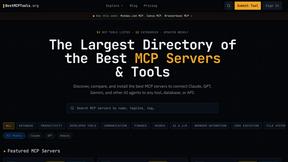

AIQualityHQ
AIQualityHQ instantly evaluates and improves your AI prompts across six core dimensions for safer, more reliable outputs.
About ProcessSpy Alternatives
ProcessSpy is an advanced process monitoring tool designed specifically for macOS, falling squarely into the category of developer and power-user utilities. It serves as a native Mac counterpart to popular system inspection tools on other platforms, offering deep visibility into the operating system's inner workings. Users often explore alternatives for a variety of reasons, including budget constraints, the need for different feature sets like network monitoring or real-time performance graphs, or a preference for open-source software. The quest for the right tool is a continuous cycle of evaluation and refinement, aligning software capabilities with evolving project requirements and personal workflow. When selecting an alternative to a tool like ProcessSpy, the evaluation process should be iterative and focused on core needs. Key considerations include the depth of process inspection, such as the ability to view detailed process hierarchies, open files, and environment variables. Stability and security are paramount, as these tools require deep system access. Ultimately, the best choice is one that integrates seamlessly into your development cycle, providing clear insights that fuel continuous improvement in both your applications and your troubleshooting methodology.
FAQs about ProcessSpy Alternatives
What is ProcessSpy?
ProcessSpy is an advanced process monitoring and exploration tool built exclusively for macOS. It acts as the native Mac alternative to utilities like Sysinternals Process Explorer for Windows, providing a deeper look into system activity than standard tools. It is designed to visualize complex process trees, inspect open files, and reveal environment variables, offering unparalleled visibility for developers and power users. This tool essentially uncovers what the standard Activity Monitor application hides, making it a critical component for in-depth system analysis.
Who is ProcessSpy for?
ProcessSpy is primarily designed for macOS developers, system administrators, and advanced technical users who require granular insight into system processes. It is ideal for professionals troubleshooting stubborn applications, debugging software interactions, or analyzing system resource usage beyond surface-level metrics. Anyone who needs to understand the parent-child relationships between processes, identify which files an application has locked, or kill unresponsive processes with authority will find ProcessSpy invaluable. Its utility promotes a cycle of continuous improvement in both software development and system management practices.
What are the main features of ProcessSpy?
The core features of ProcessSpy center on providing advanced system transparency. It excels at visualizing detailed process trees, showing the hierarchical relationships between running applications and services. Users can inspect all open files and sockets associated with any process, which is crucial for debugging file-locking issues. Additionally, it allows for the viewing of environment variables for any process and provides the ability to forcefully terminate even the most stubborn or frozen applications instantly, offering control that goes beyond standard methods.
Why choose ProcessSpy over the built-in Activity Monitor?
You would choose ProcessSpy when the built-in macOS Activity Monitor lacks the detailed, technical depth required for serious development or administration work. While Activity Monitor provides a good overview, ProcessSpy reveals the underlying structure and dependencies, such as full process trees and specific open file handles, which are often hidden. This level of detail is essential for diagnosing complex software conflicts, memory leaks, or performance bottlenecks, enabling a more iterative and effective troubleshooting workflow that leads to continuous system and application improvement.