

Alternatives to Self-Healing Integrations
Plumbed.io continuously heals and evolves your enterprise integrations, replacing costly custom projects with an AI-managed lifecycle that keeps them.
Explore 20 alternatives to Self-Healing Integrations. Compare features, pricing, and find the best fit for your needs.

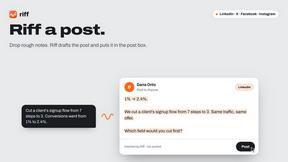
Riff
Free Chrome extension. Paste your rough point and Chrome's built-in AI writes a fresh reply for that post on X, LinkedIn, Facebook or Instagram.
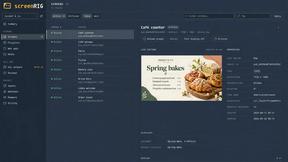
screenRIG
Signage and kiosk infrastructure for AI agents. Your agent publishes images, video, streams, web pages and apps to screens via one plugin.screenRIG is

Genjutsu AI
Genjutsu AI turns your ideas into cinematic videos, product ads, social shorts, and high-quality images in minutes.
Novastart
Novastart brings apps and files onto an infinite canvas where people and AI agents can work together.

layahost
Moderation, routing, intent and scoring for any text over one Jev-compatible API, hosted in the EU.

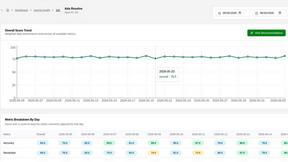

Built2WinWeb AI SEO
a SaaS solution that scores any website for AI agent readiness, MCP server security, and Domain Rating.


Speechyou
AI transcription for voice notes, meetings, and audio files in 1,700 languages, with AI summaries and subtitle export and unlimited chat ai usage.
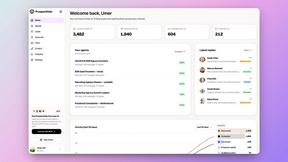
ProspectHalo
AI sales agent that finds qualified leads, runs outreach, follows up automatically, creates content, and helps book more meetings.

benchmark.directory
A working index of AI tools. We record what each one costs, what it connects to, and exactly where it stops being useful.
saasgrow.ai
Find SaaS growth tools worth your time. Every tool is reviewed before it's listed, so the shortlist is already made for you.
Tools Network
Tired of chasing down the right AI tool across a dozen tabs? Tools Network brings them all together in one curated directory.




About Self-Healing Integrations Alternatives
Self-Healing Integrations is an AI-managed platform that belongs to the AI Assistants category, designed to not only build custom integrations between any systems but also actively monitor and maintain them after go-live. Unlike traditional integration tools that stop working once the initial connection is made, this platform uses an agentic approach to continuously adapt to changes, ensuring every new channel, system, or partner launch remains fast and cost-effective without the typical integration tax. Users commonly look for alternatives to Self-Healing Integrations when they need a different pricing model for high-volume or low-frequency integrations, require more granular control over the underlying AI logic, or seek a platform that better aligns with specific compliance or on-premise deployment requirements. When evaluating an alternative, it is crucial to look for solutions that offer ongoing lifecycle management rather than just point-and-click connectors, support for iterative and cyclical improvement of integrations, and transparent monitoring tools that alert you to failures before they impact operations. The ideal choice should reduce the burden of manual maintenance while still giving you the flexibility to customize and evolve your integrations over time.
FAQs about Self-Healing Integrations Alternatives
What is Self-Healing Integrations?
Self-Healing Integrations is an AI-managed platform that builds and continuously maintains custom integrations between any systems. It belongs to the AI Assistants category and is designed to replace traditional integration projects with an automated lifecycle that monitors, adapts, and repairs connections after go-live. This eliminates the need for ongoing manual maintenance and reduces the integration tax that slows down new channel, system, or partner launches.
Who is Self-Healing Integrations for?
Self-Healing Integrations is for organizations that rely on custom integrations requiring ongoing changes, monitoring, and maintenance after go-live. It is ideal for companies tired of paying the integration tax that makes every new channel, system, or partner slow and expensive to launch. Product teams, integration engineers, and operations managers who need a cyclical, continuously improving approach to connectivity will benefit most from this platform.
What are the main features of Self-Healing Integrations?
The main features include AI-managed lifecycle support that builds and keeps integrations running, automated monitoring and adaptation to system changes, and the ability to integrate any system through an agentic platform. It replaces one-time custom integration projects with a self-sustaining process that continuously improves and repairs connections, ensuring new channels and partners can be launched quickly without expensive ongoing manual effort.
Why choose Self-Healing Integrations?
Choose Self-Healing Integrations to break free from the integration tax that makes every new channel, system, or partner slow and expensive to launch. Unlike tools that only build integrations and then let them degrade, this platform provides a cyclical, iterative model where the AI actively maintains and improves connections over time. This reduces operational overhead, speeds up time-to-market, and ensures your integrations remain reliable through ongoing changes without requiring constant human intervention.