
AI Botkit vs Wan2.7-Image
Side-by-side comparison to help you choose the right product.

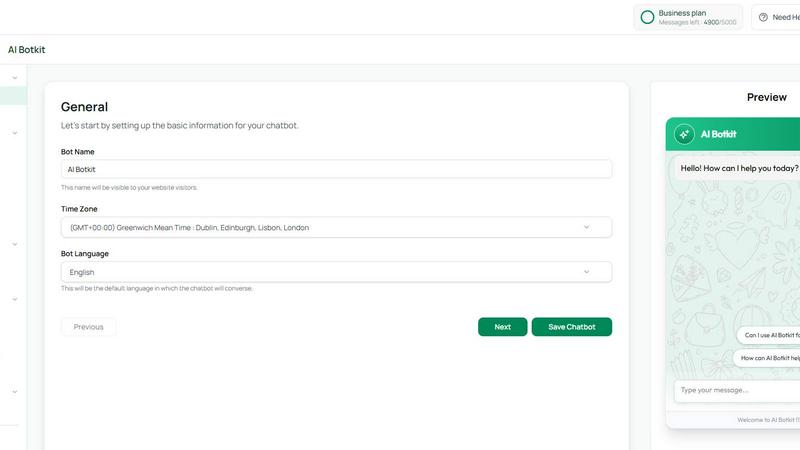
AI Botkit empowers you to effortlessly train and deploy a customizable chatbot for your website, automating support and capturing leads 24/7.
Last updated: March 18, 2026

Wan2.7-Image
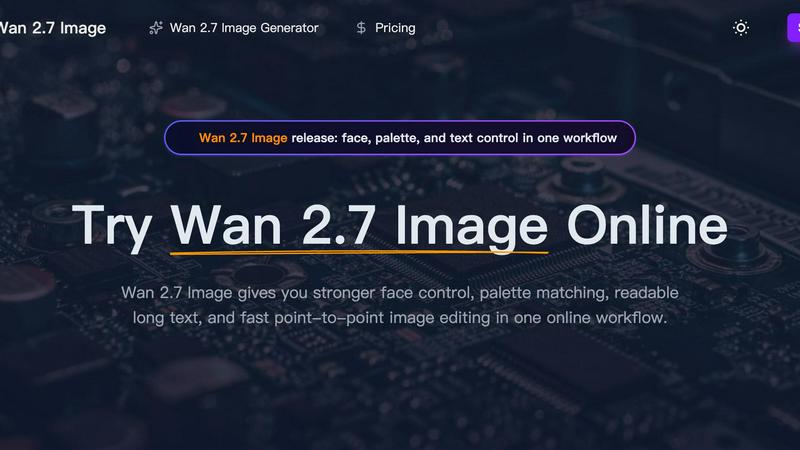
Wan 2.7 Image offers robust control for professional design, e-commerce, and brand applications.
Visual Comparison
AI Botkit
Wan2.7-Image
Overview
About AI Botkit
AI Botkit is a user-friendly, no-code platform designed to empower businesses to create and manage AI chatbots effortlessly. With AI Botkit, you do not need any technical skills; the platform allows you to train your chatbot using your own content, such as FAQs, documents, or website links, in just a matter of minutes. This enables businesses to enhance customer engagement by delivering instant answers, capturing leads, and providing 24/7 support. AI Botkit is an ideal solution for business owners, marketers, and agencies looking to integrate smart chatbots into their websites quickly. Its seamless integration and customizable features make it a perfect fit for various industries, ensuring that businesses can automate customer interactions and improve overall efficiency.
About Wan2.7-Image
Wan 2.7 Image isn't just about visually appealing samples; it's a powerful tool built for reliable control. It provides designers, e-commerce professionals, and brand managers with the precise tools they need to maintain consistent aesthetics and brand identity across all projects. Unlike generic stock images, Wan 2.7 Image focuses on delivering the flexibility and power to dictate the visual direction, fostering efficient workflows and reducing costly revisions.
Designed for a variety of applications, Wan 2.7 Image excels in design projects where meticulous control over composition, color, and detail is paramount. For e-commerce, it enables the creation of high-quality product visuals that translate effectively across different devices and platforms, enhancing customer engagement and driving sales. Brand applications benefit from the ability to consistently apply visual elements, ensuring a unified and recognizable brand presence. Furthermore, it's a valuable asset for editorial work, allowing for precise manipulation and integration of images within articles and publications.