
NanoBanana 2 vs SVG to 3D
Side-by-side comparison to help you choose the right product.

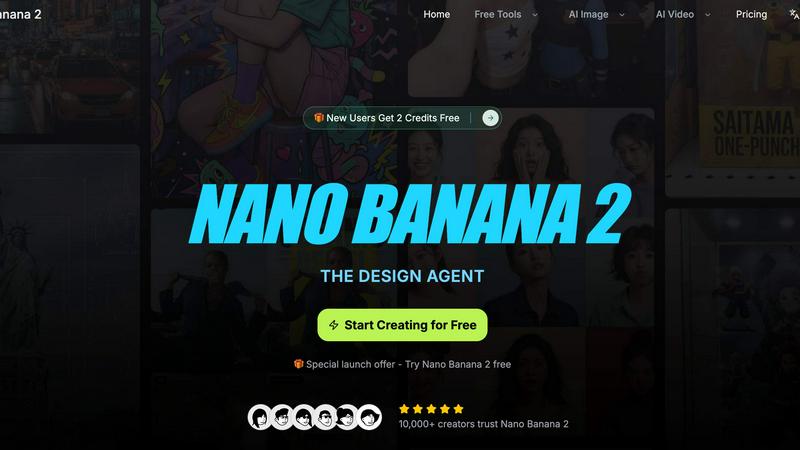
NanoBanana 2
NanoBanana 2 is an advanced AI photo editing tool that enhances images with professional quality and intelligent retouching for creators.
Last updated: March 18, 2026
SVG to 3D
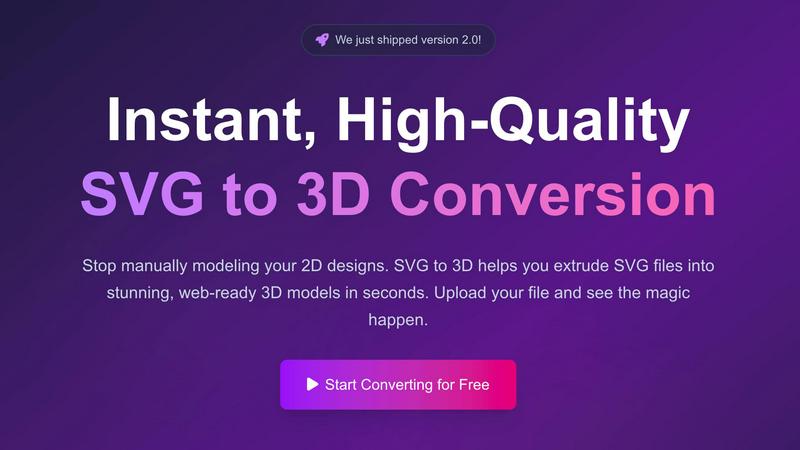
Effortlessly convert your SVG files into stunning 3D models in seconds with advanced controls and optimized exports.
Last updated: February 27, 2026
Visual Comparison
NanoBanana 2
SVG to 3D
Feature Comparison
NanoBanana 2
Smart Auto-Enhancement
Smart Auto-Enhancement uses advanced AI algorithms to analyze each image and apply optimal enhancements automatically. This feature ensures that even those with minimal editing experience can achieve stunning visual results effortlessly, saving time and effort.
Intelligent Retouching
Intelligent Retouching leverages AI to understand the context of images, allowing for natural and nuanced adjustments. This feature excels in preserving essential details while enhancing facial features and skin tones, making it ideal for portrait photography.
Batch Processing
Batch Processing allows users to edit multiple images simultaneously, streamlining workflows for photographers and content creators who work with large volumes of images. This feature not only saves time but also maintains consistency and quality across all edited photos.
Advanced Color Correction
Advanced Color Correction provides professional-grade grading and correction powered by deep learning. This feature enables users to fine-tune colors and contrasts, ensuring images stand out with vibrant and accurate hues, perfect for enhancing visual storytelling.
SVG to 3D
One-Click to GLB for the Web
This feature allows users to export their 3D models as GLB files, which are optimized for web usage. This means developers can easily integrate the models into their Three.js or React Three Fiber projects without worrying about performance issues, enhancing the interactivity and visual appeal of websites.
3D-Print Ready
SVG to 3D supports clean STL exports, ensuring that your 3D models are ready for 3D printing. This feature eliminates the need for additional software, allowing you to directly use the exported files with your slicer for seamless fabrication of your designs.
Advanced Material System
With our sophisticated material system, users can apply realistic PBR materials, custom textures, and dynamic lighting effects to their 3D models. This feature allows for a more polished and professional appearance, setting your designs apart from the competition.
Lightning-Fast Processing
Our tool utilizes optimized algorithms that convert SVG files to 3D models in seconds. This lightning-fast processing ensures that users can quickly turn their ideas into tangible models, saving time and increasing productivity in their creative workflows.
Use Cases
NanoBanana 2
Professional Photography
Professional photographers utilize NanoBanana 2 to enhance their portfolios and client work. The advanced editing capabilities streamline the process of retouching and color correction, allowing for quicker turnaround times without sacrificing quality.
Social Media Content Creation
Social media managers and influencers can leverage NanoBanana 2 to create eye-catching visuals that engage their audience. The platform's batch processing and smart enhancements help maintain a consistent aesthetic across posts, driving higher engagement rates.
Graphic Design Projects
Graphic designers can incorporate NanoBanana 2 in their design workflows, using its intelligent image processing for optimizing visuals in marketing materials, presentations, and branding efforts. The tool's advanced features ensure that designs stand out in a competitive landscape.
Personal Use for Memories
Individuals looking to enhance personal photos can benefit from NanoBanana 2 by creating beautiful memories. Whether it's family portraits or vacation snapshots, the user-friendly interface and powerful editing tools make it accessible for anyone wanting to improve their images.
SVG to 3D
Create Interactive 3D Logos and Icons
Web developers can effortlessly convert SVG icons into 3D models, making them ideal for enhancing user interfaces with interactive elements. This capability allows for a more engaging experience on websites and applications, capturing user attention effectively.
From Digital Design to Physical Object
For those in the 3D printing community, SVG to 3D offers a streamlined workflow from 2D designs to STL files. This makes it easy to fabricate custom parts, art, or logos without needing extensive CAD experience, ensuring that your creative vision comes to life with precision.
Enhance Your UI/UX Designs
Designers can use SVG to 3D to add depth and realism to their mockups. By integrating 3D elements into UI/UX presentations, they can impress clients and stakeholders, showcasing designs with a more immersive and realistic aesthetic.
Rapid Prototyping
Entrepreneurs and product developers can utilize SVG to 3D for rapid prototyping of concepts. The ability to quickly generate and adjust 3D models allows for iterative design processes, making it easier to refine ideas and test them in real-world applications.
Overview
About NanoBanana 2
NanoBanana 2 is the cutting-edge AI image editing model, an evolution of the original NanoBanana, designed to empower photographers, designers, and content creators with unmatched photo enhancement capabilities. This next-generation tool leverages advanced machine learning algorithms to deliver professional-quality results, significantly improving workflow efficiency. Whether you are enhancing portraits, correcting colors, or retouching images, NanoBanana 2 provides intelligent solutions that preserve natural details while optimizing visual appeal. With its user-friendly interface and powerful features, NanoBanana 2 caters to both seasoned professionals and beginners alike, making it a versatile choice for anyone looking to elevate their image editing experience. The platform's commitment to continuous improvement ensures that users have access to the latest advancements in AI technology, fostering creativity and innovation across various fields.
About SVG to 3D
SVG to 3D is a cutting-edge online tool specifically designed to transform your 2D SVG vector graphics into stunning, high-quality 3D models in a matter of seconds. Tailored for web developers, designers, and 3D printing enthusiasts, this tool eliminates the need for cumbersome software like Blender or C4D, which can be overwhelming and time-consuming for simple tasks like logo extrusion. With SVG to 3D, users can upload their SVG files directly through a user-friendly interface and witness the swift conversion process. This tool not only enhances your designs with realistic depth and textures but also optimizes them for web use and 3D printing, making it the ultimate solution for anyone looking to elevate their creative projects.
Frequently Asked Questions
NanoBanana 2 FAQ
What types of images can I edit with NanoBanana 2?
NanoBanana 2 supports a wide range of image formats, including JPEG, PNG, and WEBP, allowing users to edit various types of photos effortlessly.
Is there a free trial available for NanoBanana 2?
Yes, NanoBanana 2 offers a special launch offer where users can try the platform for free, enabling them to explore its powerful features without any commitment.
How does the AI processing work?
The AI processing in NanoBanana 2 uses advanced machine learning algorithms to analyze images, identify areas for enhancement, and apply adjustments automatically, ensuring professional-grade results.
Can I use NanoBanana 2 for batch editing?
Absolutely! NanoBanana 2 includes a batch processing feature that allows users to edit multiple images at once, making it an efficient solution for anyone working with large sets of photos.
SVG to 3D FAQ
How do I start using SVG to 3D?
To begin, simply visit our website, upload your SVG file, and watch as our tool transforms it into a 3D model instantly. No software installation is required, and it's 100% free.
What file formats can I export my 3D model to?
You can export your 3D models in multiple formats including GLB, GLTF, OBJ, and STL. This versatility ensures compatibility with various 3D frameworks and printing software.
Is my data safe when using SVG to 3D?
Yes, your files are processed locally in your browser whenever possible, ensuring your designs remain private and secure without the need for uploads to external servers.
Can I customize the 3D model after conversion?
Absolutely! Our tool offers advanced controls that allow you to fine-tune every detail of your 3D model, including thickness, bevels, and materials, ensuring you achieve the perfect look for your project.
Alternatives
NanoBanana 2 Alternatives
NanoBanana 2 is a cutting-edge AI image editing model that represents a significant upgrade from its predecessor. Designed to empower users with advanced photo editing capabilities, it falls into the category of AI Assistants, facilitating intelligent image processing and photo enhancement. Users often seek alternatives to NanoBanana 2 for various reasons, such as pricing, specific feature requirements, or compatibility with different platforms. When choosing an alternative, it’s essential to consider the range of features offered, ease of use, and whether the tool meets your unique editing needs. Exploring these factors can lead to a more tailored and satisfying photo editing experience.
SVG to 3D Alternatives
SVG to 3D is an innovative tool designed to effortlessly transform 2D SVG vector graphics into high-quality 3D models. This product fits within the category of AI assistants, catering specifically to developers, designers, and 3D printing enthusiasts who seek a seamless way to integrate 3D elements into their projects. Users often explore alternative solutions due to factors such as pricing concerns, the breadth of features offered, and specific platform compatibility to meet their unique needs. When seeking alternatives, it is crucial to evaluate the ease of use, the quality of output, and the range of functionalities available. Look for options that provide efficient workflows, robust export formats, and the ability to preview changes in real-time. Ultimately, the right alternative should enhance productivity while aligning with individual project requirements.