
CloudBurn vs Mod
Side-by-side comparison to help you choose the right product.

CloudBurn
CloudBurn shows AWS cost estimates in pull requests to prevent costly mistakes before deployment.
Last updated: February 28, 2026

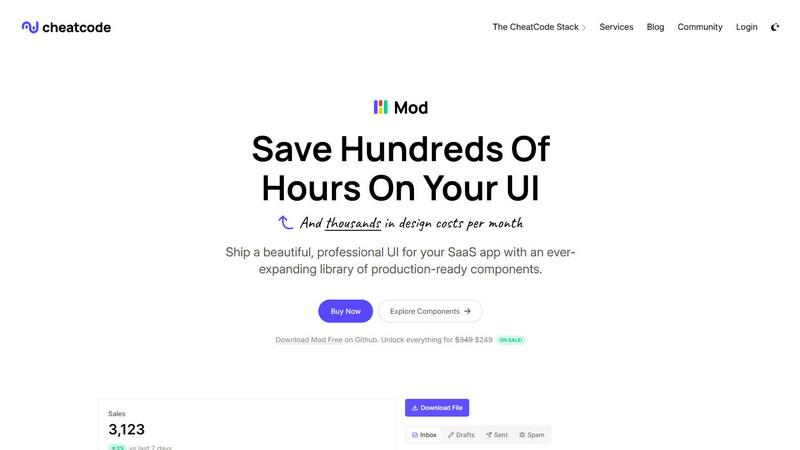
Mod is a dynamic CSS framework that accelerates the design of SaaS apps with a rich library of reusable UI components.
Visual Comparison
CloudBurn
Mod
Feature Comparison
CloudBurn
Automated Pull Request Cost Analysis
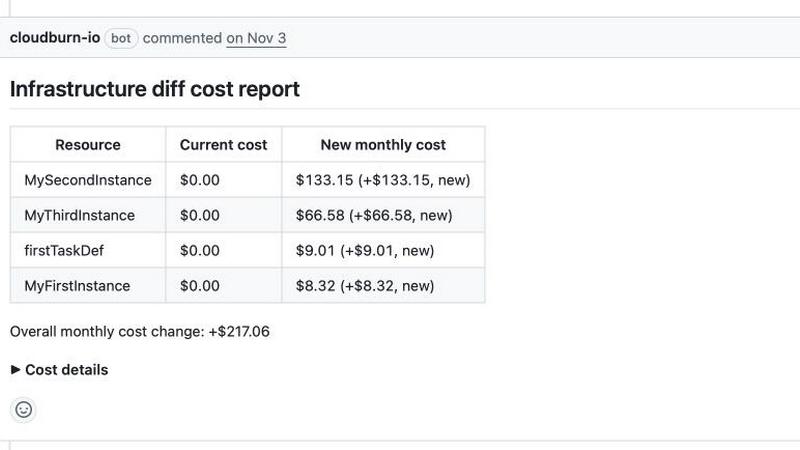
CloudBurn automatically analyzes the infrastructure diff from your Terraform plan or AWS CDK synthesis output directly within your GitHub pull requests. It calculates the precise monthly cost impact of the proposed changes and posts a detailed, line-item report as a comment. This creates a seamless, non-disruptive feedback loop where cost awareness becomes a natural part of the code review process, just like checking for bugs or security issues.
Real-Time AWS Pricing Data
The tool leverages always up-to-date AWS pricing information to generate accurate cost estimates. It accounts for various factors like instance types, regions, storage volumes, and managed services (e.g., Fargate). This eliminates the need for manual, error-prone spreadsheet calculations and ensures your team is making decisions based on the latest pricing, preventing surprises from outdated rate cards or estimations.
Seamless GitHub Integration & Security
CloudBurn is installed directly from the GitHub Marketplace and integrates 100% through your GitHub account. Billing, setup, and repository permissions are handled securely via GitHub, requiring no separate credentials or complex AWS IAM role configurations for the tool itself. This simplifies adoption and maintains your existing security posture while providing immediate value.
Detailed Cost Breakdown & Visibility
Beyond a simple total, CloudBurn provides a granular breakdown of costs per resource. The report shows current versus new costs, highlights net changes, and details the hourly rate, usage type, and service description for each component. This deep visibility helps developers understand exactly which resources are driving cost increases and facilitates informed discussions about architectural trade-offs during reviews.
Mod
Extensive Component Library
Mod boasts a robust library of over 88 components, covering everything from buttons and forms to navigation menus and modals. This extensive selection allows developers to quickly implement complex UI elements without having to start from scratch, significantly accelerating the development process.
Versatile Styling Options
With 168 unique styles, Mod enables developers to customize their applications to fit their branding and user experience needs. These styles are designed to be easily adjustable, allowing for rapid iterations and refinements to ensure that the final product meets user expectations.
Dark Mode Support
Understanding the importance of user comfort, Mod includes built-in dark mode functionality. This feature allows developers to cater to users' preferences for low-light environments, enhancing the usability of applications while also promoting a modern, sleek aesthetic.
Framework-Agnostic Compatibility
Mod is designed to work seamlessly with various frameworks such as Next.js, Nuxt, Vite, Svelte, Rails, and Django. This framework-agnostic approach ensures that developers can integrate Mod into their existing projects without any compatibility issues, fostering a smoother development experience.
Use Cases
CloudBurn
Preventing Costly Misconfigurations in PRs
Development teams can use CloudBurn to catch accidental deployments of over-provisioned resources, such as mistakenly selecting a t3.xlarge instance instead of a t3.micro. By seeing a +$133.15 monthly cost alert directly on the pull request, the team can immediately correct the configuration before it ever reaches production, turning a potential multi-thousand dollar mistake into a minor, free correction.
Enabling Developer-Led FinOps & Cost Culture
CloudBurn empowers developers to own cost optimization by giving them the data they need at the right time. Instead of a central FinOps team policing bills after the fact, developers can proactively design cost-efficient architectures. This shifts cost management left in the CI/CD pipeline, building a continuous improvement mindset where cost is a first-class consideration alongside performance and scalability.
Streamlining Infrastructure Code Reviews
For platform and DevOps engineers reviewing Terraform or CDK pull requests, CloudBurn provides critical financial context. Reviewers can assess not just the technical correctness and security of the code, but also its economic efficiency. This leads to more holistic reviews and better collaboration between development and operations on achieving both technical and business objectives.
Budget Forecasting for Project Planning
Teams can use the pull request estimates to forecast the monthly cost impact of new features or services as they are being built. By aggregating the cost changes from multiple related PRs, project leads and managers can get a real-time view of the projected cloud spend for an initiative, allowing for better budget planning and resource allocation before final deployment.
Mod
Rapid Prototyping
Mod is an ideal tool for developers looking to quickly prototype their ideas. With its extensive library of components and styles, teams can rapidly create mockups and iterations, allowing for swift feedback and adjustments in the development cycle.
Building Responsive SaaS Applications
With a focus on mobile-first design, Mod is perfect for developers creating SaaS applications that need to perform well across all devices. Its responsive components ensure that applications look and function beautifully on smartphones, tablets, and desktops alike.
Enhancing Team Collaboration
For development teams, Mod facilitates better collaboration by providing a consistent design language. This consistency helps team members align on visual elements and UI functionality, reducing miscommunication and speeding up the development cycle.
Customizing User Experiences
Mod allows developers to easily implement tailored user experiences by leveraging its versatile styling options. This capability is particularly valuable for SaaS companies looking to differentiate themselves in competitive markets through unique and engaging interfaces.
Overview
About CloudBurn
CloudBurn is a proactive cloud cost management platform engineered for modern development teams using Infrastructure-as-Code (IaC) tools like Terraform and AWS CDK. It directly tackles the pervasive and painful issue of unpredictable and spiraling AWS bills. The core problem it solves is the lack of cost visibility during the development lifecycle; teams often discover the financial impact of their infrastructure changes only weeks later on their monthly invoice, when remediation is costly and complex. CloudBurn embeds financial intelligence directly into the existing code review workflow by providing real-time, automated cost estimates for every pull request. This empowers developers, platform engineers, and FinOps practitioners to make cost-aware decisions before code merges and deploys to production. Its main value proposition is fostering a continuous culture of financial responsibility, enabling teams to optimize cloud spend from the very first line of code, prevent costly misconfigurations, and achieve an immediate return on investment by catching expensive mistakes early in the development cycle.
About Mod
Mod is an innovative CSS framework designed specifically for Software as a Service (SaaS) user interfaces. It streamlines the web development process by providing a comprehensive set of over 88 components and 168 styles, allowing developers to create visually appealing and functional applications with ease. Focused on enhancing productivity, Mod caters to both solo developers and larger teams, enabling them to ship high-quality SaaS applications faster while minimizing design costs. With features like dark mode and a mobile-first design approach, Mod ensures that applications are not only aesthetically pleasing but also responsive and user-friendly across various devices. Its framework-agnostic nature means it seamlessly integrates with popular technologies including Next.js, Nuxt, Vite, Svelte, Rails, and Django, making it a versatile choice for developers seeking to improve their workflows. With simple pricing structures and yearly updates, Mod embodies a commitment to continuous improvement, empowering developers to focus on what matters most: building exceptional software experiences.
Frequently Asked Questions
CloudBurn FAQ
How does CloudBurn calculate the cost estimates?
CloudBurn analyzes the output of your terraform plan or cdk diff command, which details the proposed infrastructure changes. It then cross-references the resource types, configurations, and regions specified in this diff with real-time AWS pricing data. The calculation assumes 730 hours of usage per month (24/7 operation) to provide a standardized monthly projection, with a detailed breakdown of the hourly rates and components for full transparency.
What infrastructure-as-code tools does CloudBurn support?
CloudBurn currently provides native integration and dedicated GitHub Actions for two major IaC frameworks: HashiCorp Terraform and AWS Cloud Development Kit (CDK). The platform is designed to parse the specific diff/output format from these tools to generate accurate cost reports. Support for additional tools may be explored as part of the product's continuous development roadmap.
Is my code or cloud credentials secure with CloudBurn?
Yes. CloudBurn operates on a secure, principle-of-least-access model. The tool is installed via GitHub and only receives the textual output of your terraform plan or cdk diff from your GitHub Actions workflow. It does not require or have access to your AWS credentials, secret keys, or the actual state of your live infrastructure. Your code and cloud environment remain fully under your control.
What is the difference between the Community and Pro plans?
The Community plan is free forever and provides core cost estimation functionality on pull requests. The Pro plan, which includes a 14-day free trial, offers advanced features such as cost history tracking, trend analysis, team reporting dashboards, and integration with Slack or Microsoft Teams for notifications. This enables deeper financial oversight and continuous improvement tracking for growing teams.
Mod FAQ
What is Mod and how does it benefit developers?
Mod is a CSS framework designed for SaaS applications, providing a vast library of components and styles that help developers build user-friendly and visually appealing interfaces quickly. Its framework-agnostic approach and responsive design features make it adaptable for various projects, enhancing productivity and reducing design costs.
Can Mod be used with popular frameworks?
Yes, Mod is framework-agnostic and can be integrated with a variety of popular frameworks such as Next.js, Nuxt, Vite, Svelte, Rails, and Django. This flexibility enables developers to incorporate Mod into their existing tech stacks seamlessly.
Is there support for dark mode in Mod?
Absolutely! Mod includes built-in support for dark mode, allowing developers to create applications that cater to users' preferences for low-light environments. This feature enhances user comfort while maintaining a sleek, modern aesthetic.
How frequently does Mod receive updates?
CheatCode, the creator of Mod, is committed to continuous improvement and provides yearly updates to the framework. These updates often include new components, styles, and features that help developers stay current with industry trends and user expectations.