
Amovera vs CloudBurn
Side-by-side comparison to help you choose the right product.

Amovera
All-in-one wedding planner. No hidden fees.

CloudBurn
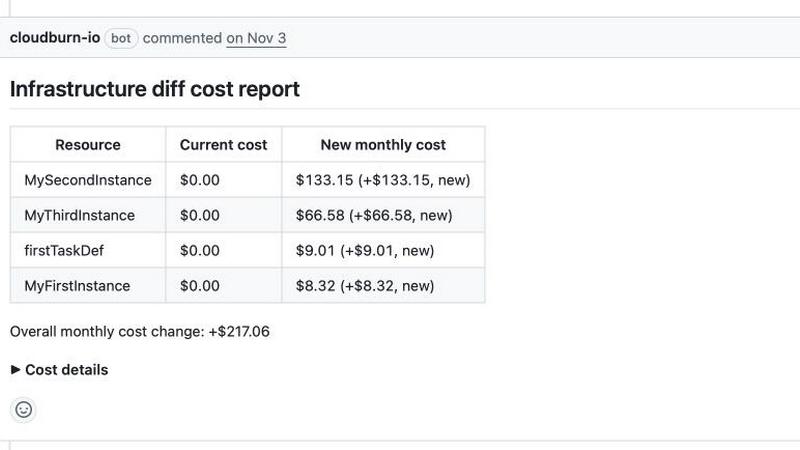
CloudBurn shows AWS cost estimates in pull requests to prevent costly mistakes before deployment.
Last updated: February 28, 2026
Visual Comparison
Amovera

CloudBurn
Overview
About Amovera
Amovera is a wedding planning tool that keeps everything in one place. Guest list and RSVP management, seating chart builder, budget tracker, moodboard, vendor contacts and task lists, all without switching between apps or spreadsheets.
It works for two people at the same time, so both partners can plan together without stepping on each other's toes.
Most free wedding tools make money by selling your data to vendors. Amovera does not. You pay once and get lifetime access with no subscriptions, no upsells and no spam from caterers.
Available in English and German, building more languages soon.
One payment. Lifetime access. 60-day money-back guarantee.
About CloudBurn
CloudBurn is a proactive cloud cost management platform engineered for modern development teams using Infrastructure-as-Code (IaC) tools like Terraform and AWS CDK. It directly tackles the pervasive and painful issue of unpredictable and spiraling AWS bills. The core problem it solves is the lack of cost visibility during the development lifecycle; teams often discover the financial impact of their infrastructure changes only weeks later on their monthly invoice, when remediation is costly and complex. CloudBurn embeds financial intelligence directly into the existing code review workflow by providing real-time, automated cost estimates for every pull request. This empowers developers, platform engineers, and FinOps practitioners to make cost-aware decisions before code merges and deploys to production. Its main value proposition is fostering a continuous culture of financial responsibility, enabling teams to optimize cloud spend from the very first line of code, prevent costly misconfigurations, and achieve an immediate return on investment by catching expensive mistakes early in the development cycle.