

Alternatives to Suggix
Turn user feedback into a prioritized roadmap that fuels continuous fixes and drives measurable growth.
Explore 20 alternatives to Suggix. Compare features, pricing, and find the best fit for your needs.
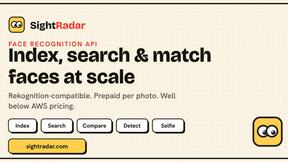
SightRadar
Face recognition API, a drop-in replacement for AWS Rekognition. Index, search, compare and detect faces, billed per photo with no subscription.
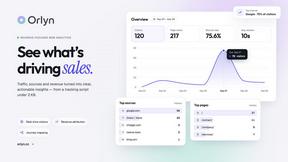
Orlyn
Privacy-first, cookieless web analytics that ties your traffic and marketing channels to real Stripe revenue.
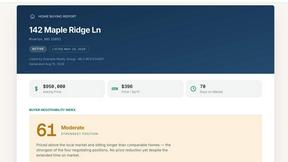
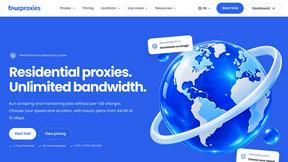
TrueProxies
Residential and datacenter proxy provider with 50M+ ethically sourced IPs across 150+ countries. Unlimited from $4.08/hr, pay-per-GB from $1.64/GB.
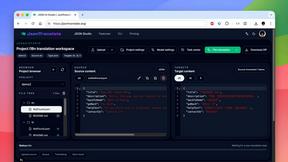
JsonTranslate
Translate JSON, Markdown, and TXT files while preserving keys, nested paths, and project structure.
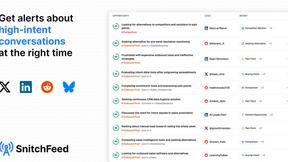
SnitchFeed
SnitchFeed is an agentic social listening tool that surfaces high-intent conversations on LinkedIn, X, Hackernews, and more for GTM and product teams.
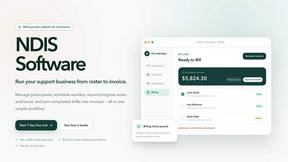

AkraLabs
Where modern software products get discovered, launched, and distributed. Explore verified AI tools, SaaS startups, and developer software.

Z Image Turbo
Z Image Turbo is an online AI image generator for photorealistic images, bilingual posters, ecommerce visuals, ads, and social content.

AIEnhancer
Enhance photos, create images, and generate videos with AI workflows, effects, and production-tested models.
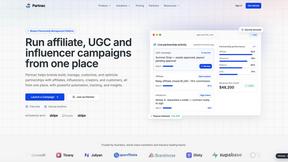
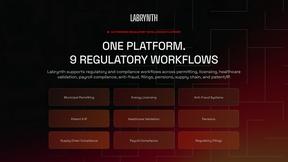
Labrynth AI
AI regulatory intelligence platform that turns complex requirements into cited, audit-ready outputs.
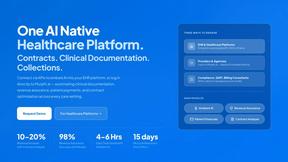
Murphi
AI-native healthcare platform for clinical documentation, revenue assurance, patient payments, compliance, and payer contract analysis.
Seedance 2.5 Free
Create polished AI videos from text or images online with Seedance 2.5 Free.

About Suggix Alternatives
Suggix is a focused feedback management tool that helps product teams close the loop between user input and roadmap decisions. It belongs to the customer feedback and product prioritization software category, designed to replace scattered spreadsheets and noisy channels with a single, transparent system. Users commonly seek alternatives for a few key reasons: they might be looking for a different pricing structure that better fits a smaller budget, need deeper integrations with their existing stack, or require a more mature feature set for enterprise governance. Others simply want to explore if a different tool offers a more intuitive interface for their specific team size or workflow. When choosing an alternative, it is essential to look for a solution that supports your entire feedback cycle, not just collection. The best options will offer a clear, iterative prioritization framework—whether that is based on user votes, impact scores, or revenue potential—and then visually connect those decisions back to your public roadmap. You should also evaluate how easily the tool adapts as your processes evolve; a good alternative will let you refine your feedback taxonomy, adjust prioritization weights, and update your roadmap without friction. Ultimately, the goal is to find a platform that helps you continuously close the gap between what users say and what you build, turning scattered input into a reliable signal for product improvement.
FAQs about Suggix Alternatives
What is Suggix?
Suggix is a feedback management platform that helps product teams collect user input, prioritize features, and keep their roadmap aligned with what actually matters. It solves the common problem of scattered feedback and unclear priorities by providing a single, transparent system. The tool is designed to help teams make data-driven decisions and build user-centric products through an iterative, continuous improvement process.
Who is Suggix for?
Suggix is built for product teams, founders, and indie developers who need to bridge the gap between user feedback and roadmap decisions. It is particularly valuable for small to medium-sized teams that want to move away from spreadsheets and disjointed communication channels. The platform is designed by a small, independent team focused on long-term quality, making it a good fit for organizations that value a hands-on, practical approach to product management.
Is Suggix free?
While specific pricing tiers may vary, Suggix is positioned as a practical tool built by an indie developer, which often means it offers competitive and transparent pricing. The focus is on providing value for teams of all sizes without unnecessary complexity. For the most current information on free trials or free tiers, you should visit the official Suggix website to see if a plan aligns with your budget and feature needs.
What are the main features of Suggix?
Suggix provides a simple platform for collecting feedback, prioritizing features, and sharing progress clearly with users. Its core functionality revolves around turning unclear priorities and scattered feedback into a structured, transparent workflow. The tool supports an iterative cycle where teams can continuously gather input, refine their feature list based on data, and keep their roadmap aligned with user needs, ultimately helping to build more user-centric products.