
Alternatives to Skene
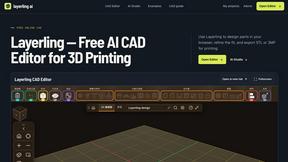
Layerling AI
Layerling AI turns text prompts into customizable 3D CAD models, with browser editing and STL, 3MF, and STEP export.
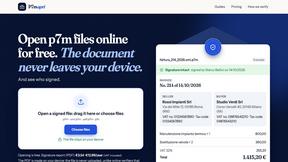
P7mapri
Free browser viewer for signed .p7m and .p7s files and FatturaPA e-invoices. Nothing is uploaded; the file stays on your device.

WeeknightBite app
The WeeknightBite app plans your weeknight dinners: 300+ tested recipes, one automatic grocery list and hands-free cooking.
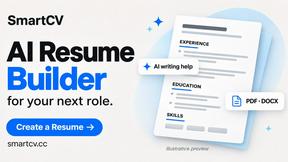
SmartCV
AI resume builder with editable templates, PDF/DOCX export, and job application tracking.
Traecta
Career-change roadmaps with weekly plans and a small accountability circle, for working professionals moving into tech.
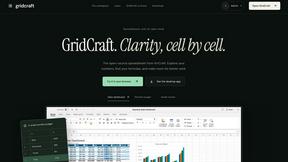
GridCraf
Free open-source spreadsheet app for exploring, editing, and analyzing XLSX workbooks in browser or on desktop.
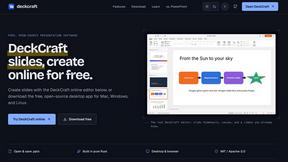
DeckCraft
Free, open-source presentation editor for creating and presenting slides online or on desktop.
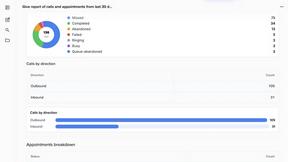
Genaya
One app and one AI that run a service business: AI receptionist, scheduling, invoices, payments and campaigns.

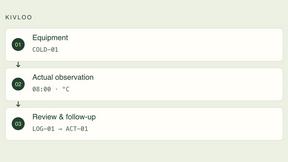
Kivloo
Workplace and food safety software for daily checks on phones, with photo evidence and inspection records across every site.
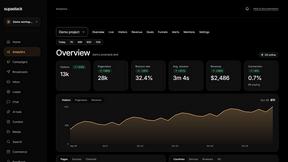
supastack
Production-ready SaaS starter kit — one TypeScript monorepo for web, mobile and desktop apps.
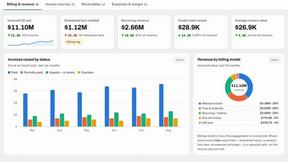
CrmLeaf
PSA software for agencies and service firms: CRM, projects, time tracking, resource planning and invoicing in one place.
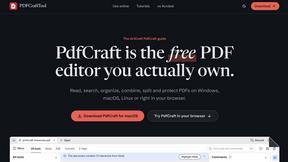
PDFCraft
Free, open-source PDF editor for Windows, macOS, Linux, FreeBSD, and modern browsers.
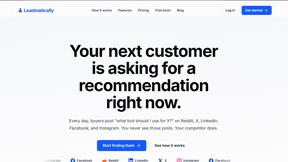
Leadmatically
Leadmatically monitors social conversations for buyer intent and gives sales teams scored leads with drafted outreach and follow-up.
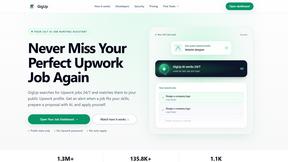
GigUp
GigUp tracks Upwork searches, matches jobs to your public profile, and sends alerts so freelancers can review and apply themselves.
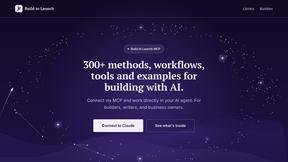
Build to Launch MCP
An MCP server that gives Claude, ChatGPT and Cursor 300+ methods for building with AI, plus 100+ live tools for keywords, SEO, trends and social data.
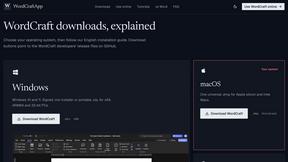
WordCraft
Free, open-source word processor for private browser and offline writing on every major desktop platform.
About these alternatives
Skene is a cutting-edge Product-Led Growth (PLG) iteration engine that automates the processes of onboarding, activation, and retention from within your codebase. Designed primarily for indie developers and early-stage startups, it helps businesses scale their growth without the necessity of dedicated growth teams. Users often seek alternatives to Skene due to various reasons such as pricing structures, specific feature sets, or compatibility with different platforms that better suit their unique needs. When considering alternatives, it is essential to assess the functionality that aligns with your business goals, the pricing model that matches your budget, and the scalability of the solution. Look for platforms that offer robust automation capabilities, insightful analytics, and a user-friendly interface to ensure a seamless transition and continued growth optimization. The right choice will enhance your product's performance while minimizing manual intervention.
Frequently asked questions
What is Skene?
Skene is an automated Product-Led Growth iteration engine that streamlines onboarding, activation, and retention processes directly from your codebase.
Who is Skene for?
Skene is tailored for indie developers and early-stage startups looking to enhance customer engagement and optimize growth without dedicated teams.
Is Skene free?
Skene operates on an outcome-based pricing model, meaning you only pay when customers successfully complete their onboarding journey.
What are the main features of Skene?
Skene features automated user flow optimization, contextual insights from the codebase, an outcome-based pricing model, and a real-time analytics dashboard.